
In this article, we would like to give you a brief overview of the building blocks of modern architecture management. Architecture management is not a new discipline and has evolved over time. In addition to frameworks that describe the theoretical/technical foundations, artifacts and processes (see TOGAF), a market for architecture management software and formats has also emerged.
If the architecture artefacts and use cases commonly used today are now well tested and have proven their added value, perhaps an even more important evolutionary step in the further development is a new “self-image” of the discipline and thus a new self-image of enterprise architects and their work. For architecture management to remain relevant, it was necessary to leave the ivory tower, roll up our sleeves and bring the knowledge of enterprise architects directly to where it is most urgently needed: into the projects and transformation programs, into the teams, the planning meetings, etc. …
In times of digitalization and a high degree of simultaneity of events and changing technologies, solid architecture management is essential for safe navigation in troubled waters.

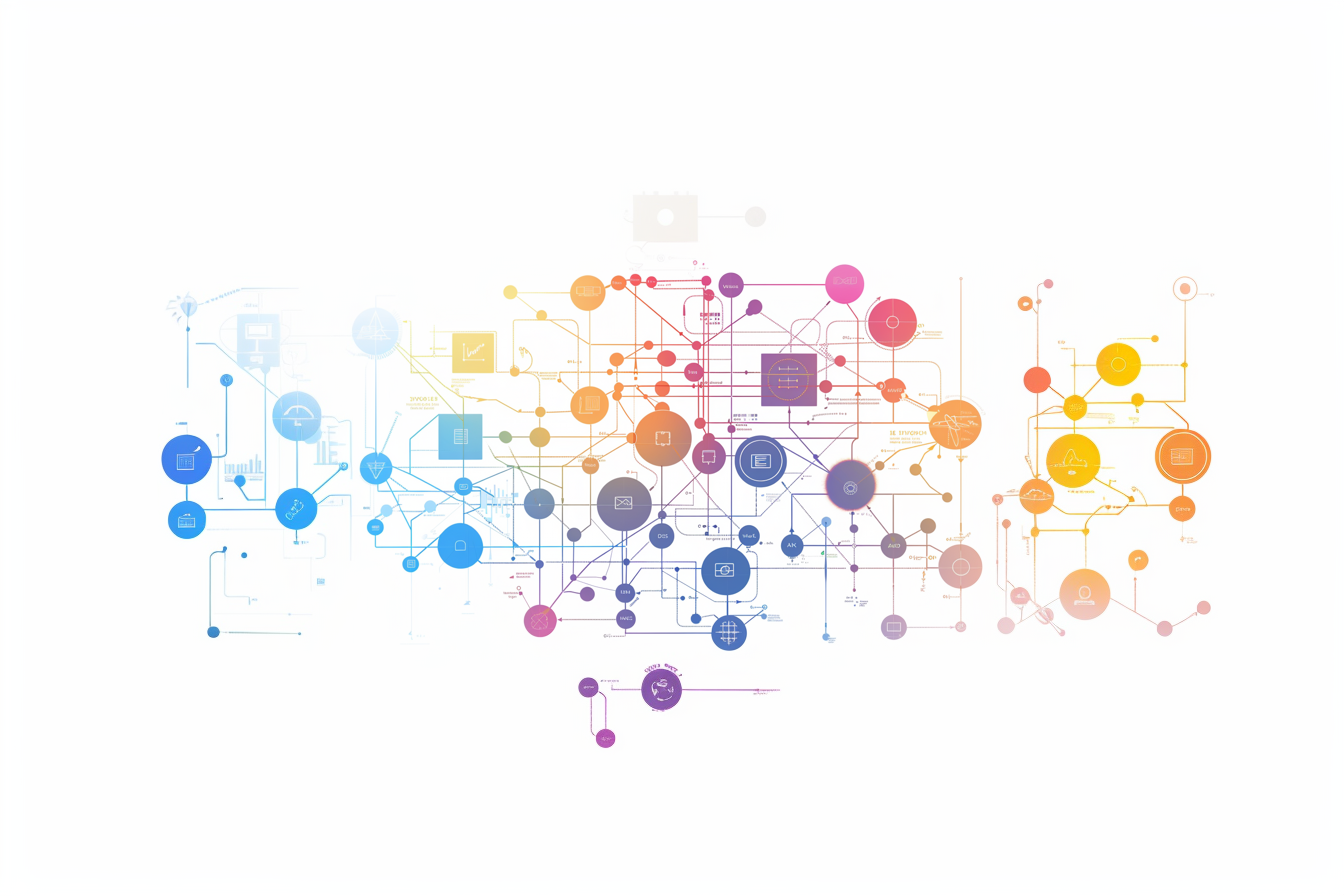
The illustration above shows a simplified representation of the EAM building blocks from bottom to top.
1. The EAM basis: frameworks and software
Frameworks such as “The Open Group Architecture Framework” (TOGAF) and EAM software such as LeanIX form the solid basis for their architecture management. Software solutions in particular should be easy to use and support collaboration.
2. The architecture repository
The EAM software stack forms the technical basis for setting up your architecture repository.
This should include the three architectural levels:
- Business architecture
- Application and data integration
- Infrastructure Architecture
3. EAM use cases
If the data quality allows, you can establish the EAM core use cases on the basis of the data in your architecture repository.
This is where the added value of the architecture repository arises.
- Application Portfolio Management (APM)
- Business Transformation Management (BTM)
- Technology Risk Management (TRM)
- More ….
4. EAM artifacts
Architecture principles and guidelines as well as “maps” for ACTUAL and TARGET architectures incl. Transition roadmaps are just some of the architecture artifacts that your architecture team can make available to projects. These artifacts are important for a common understanding of the goals and thus also for the sustainable, technical implementation of the projects.
5. Collaboration Style
As previously mentioned, enterprise architecture management is subject to its own evolutionary process.
The “common sense” is that enterprise architects today provide projects and teams with relevant information and contribute their knowledge in a pragmatic way. The focus is on people and collaboration, so that architectural knowledge is brought together and democratized.
We hope that this overview has given you an insight into our understanding of architecture.
We welcome any questions or discussions on this topic.
